
Many people only visit their healthcare provider when they’re sick or injured, but this reactive approach misses a crucial element of maintaining long-term health: preventive care. Scheduling an annual checkup is an opportunity to assess your overall health, identify potential issues early, and develop a personalized care plan tailored to your needs.
Here’s what you can generally expect your provider to cover during your annual checkup visit:
1. Review Medical History
Your annual checkup will include a comprehensive review of your medical history. This helps your provider maintain an up-to-date record of your health and understand any recent changes. During this process, your provider may ask questions about:
- Current Medications: Have you started or stopped any medications recently?
- Vaccination Updates: Are your immunizations current?
- Family History: Are there new medical conditions or trends within your family?
- Lifestyle Habits: They’ll inquire about your diet, exercise routine, alcohol use, smoking habits, and sleep patterns to get a holistic picture of your health.
Understanding these factors enables your provider to make informed recommendations based on your lifestyle and risk factors.
2. Measure Vital Signs
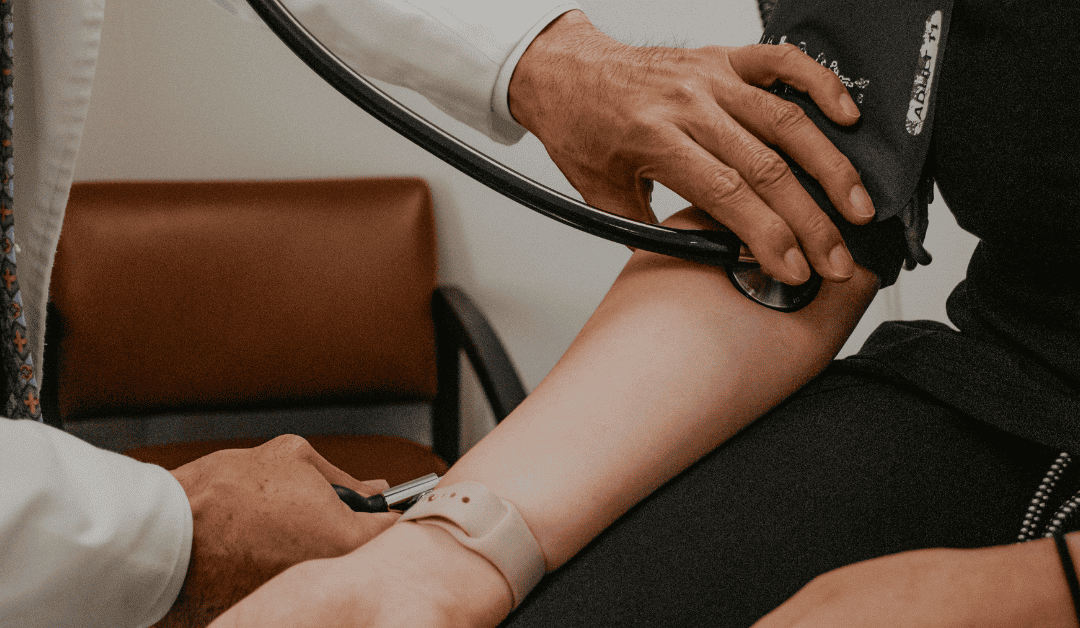
Vital signs serve as the foundation for monitoring your overall health. Your provider will measure your blood pressure, heart rate, body temperature, and respiratory rate to gain valuable insights into changes or trends that might indicate underlying health issues.
3. Perform a Physical Exam
Some providers may perform a physical exam as part of your annual checkup. This is a hands-on evaluation of your body to check for abnormalities or changes that typically include a:
- Skin Examination: To spot potential signs of skin cancer or other dermatological issues.
- Heart and Lung Check: Using a stethoscope, your provider listens for irregularities such as heart murmurs or respiratory issues.
- Abdominal and Limb Assessment: To identify swelling, tenderness, or other signs of concern.
- Mobility and Reflex Tests: To evaluate nervous system function and physical coordination.
A physical exam allows your provider to catch subtle changes that might otherwise go unnoticed.
4. Discuss Health Concerns
Annual checkups are an opportunity to discuss any health concerns or symptoms you’ve noticed over the year. Whether it’s a recurring ache, changes in sleep patterns, or mental health challenges, discussing these with your provider ensures that you receive the care and resources you need. Your provider can offer advice, recommend treatments, or refer you to a specialist for more in-depth evaluation.
5. Recommend Necessary Screenings
Additional screenings may be recommended based on your age, gender, risk factors, and the information gathered during your checkup. These could include:
- Blood Tests: To measure cholesterol, glucose levels, and other important health indicators.
- Cancer Screenings: Such as mammograms, Pap smears, or colonoscopies
- Reproductive Health Exams: Such as pelvic or genital examinations to evaluate reproductive well-being.
- Tests for Specific Conditions: Such as diabetes, anemia, or thyroid disorders.
Depending on the findings, your provider may suggest scheduling a follow-up appointment or refer you to a specialist for further evaluation and care.
Annual Checkups in Bellingham, WA
Your annual checkup is more than just a routine visit—it’s an essential part of managing your overall health. These visits provide an opportunity to establish a baseline for your health, track any changes over time, and address potential concerns before they become significant issues. By focusing on prevention and early intervention, annual checkups play a vital role in maintaining your well-being and ensuring a healthier future.
At Care Medical Group, we’re committed to helping you stay healthy through every stage of life. Schedule your annual checkup with one of our trusted primary care providers. Call us at (360) 734-4300 to book your appointment!