
From beachgoers at Bloedel Donovan Park to sailboats in Bellingham Bay, summer is a wonderful time to enjoy the water in Whatcom County. As the weather heats up, don’t forget to practice water safety to protect yourself and your loved ones.
According to the CDC, over 4,500 people in the United States drowned each year from 2020-2022, an increase of about 500 drowning deaths compared to 2019. In this blog post, we hope to educate the community about taking proper precautions when engaging in water activities.
Know the risks
Water safety begins with understanding the risks. Drowning can happen anywhere, from lakes to pools to bathtubs. Open water, such as oceans, lakes, and rivers, poses many risks, even for the most seasoned swimmers. Weather, currents, water temperature, visibility, and depth are all conditions that can change quickly, resulting in life-threatening situations.
Take Swimming Lessons
Swimming lessons can help prevent drowning by teaching skills to navigate the water safely. Basic swim training includes getting in and out of the water, breathing techniques, staying afloat for at least one minute, changing position, and swimming at least 25 yards. Whatcom County has various swimming pools that offer swimming lessons for kids and adults.
Swim in a Pool
If you aren’t confident in your swimming abilities, swim in a pool with a lifeguard present. Here are some pools in Whatcom County with varying pool schedules, membership requirements, and lifeguard duty hours:
- Arne Hanna Aquatic Center
- Bellingham Athletic Club
- Bellingham Golf and Country Club
- Whatcom Family YMCA
- Wade King Rec Center (Only available for WWU students, faculty, staff, and alumni)
Avoid alcohol while participating in water activities
Alcohol impairs your judgment, balance, and coordination — a bad mix when water conditions can change in a second. The combination of impaired motor skills and decreased reaction times can lead to accidents, serious injuries, and drowning. Additionally, avoid alcohol if you are supervising children, as their safety depends on your ability to react quickly and make sound decisions.
Wear a life jacket on boats and other watercraft
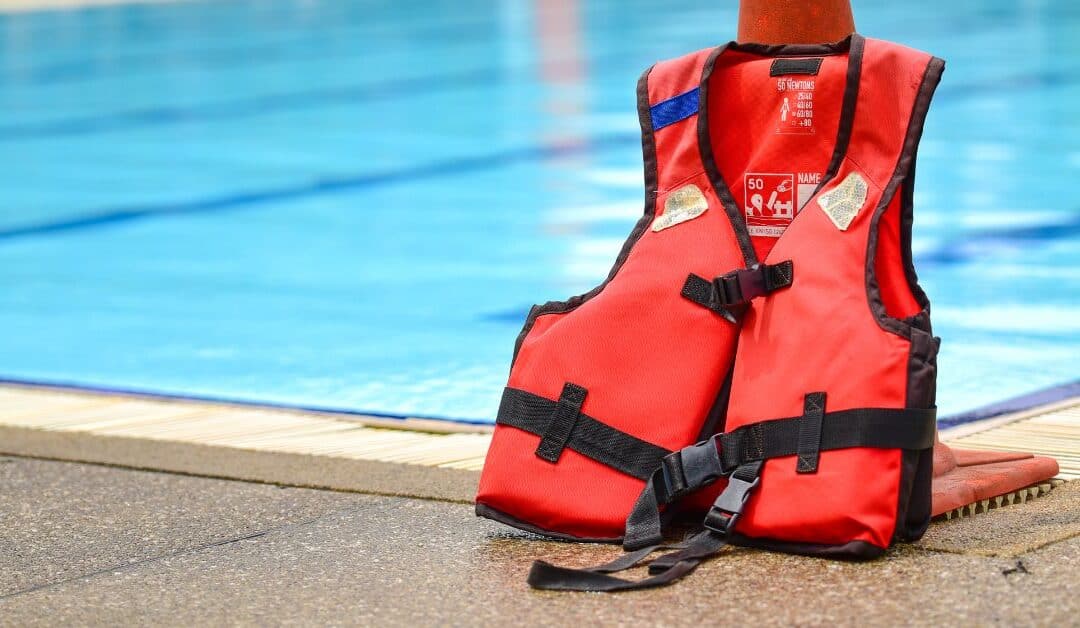
Life jackets should meet U.S. Coast Guard requirements and be worn at all times when boating or using other watercraft, regardless of age and swimming skill level. Even strong swimmers can encounter unexpected situations leaving them unable to swim.
Swim with supervision
Having someone nearby who can provide immediate assistance or call for help in case of an emergency significantly improves your safety. Always swim with a lifeguard present or someone who can keep an eye on you.
Pay attention to swimming safeguards and advisories
Many beaches will have signage, buoys, and flags, to indicate when and where swimming is permitted. Swimming advisories may be posted due to toxins, pollution, or other health issues present in the water. These are for your safety and should always be followed.
For more information about swimming advisories in Whatcom County, visit the Whatcom Community Health and Services Lakes & Beaches page and the Department of Ecology’s Beach Environmental Assessment, Communication & Health (BEACH) program page.
Understand medical conditions and medications
If you have pre-existing medical conditions or are taking medications, it’s crucial to be aware of any side effects that could pose a risk while swimming. Certain medical conditions and medications can affect your stamina, coordination, or ability to respond to emergencies, potentially increasing the danger of water activities. Consult with your healthcare provider to understand how your specific health situation might impact your safety in the water.
At Care Medical Group, we are dedicated to keeping Whatcom County safe and healthy. When injury or illness strikes, visit our clinic at 4043 Northwest Avenue, Bellingham, WA 98226. We are open Monday to Friday, 8 am – 7 pm, and Saturday, 9 am – 4 pm on a walk-in and by-appointment basis.
In case of life-threatening situations, call 911.